- Year-round snorkeling opportunities
- Various trip options from budget to luxury
- Proximity to unique marine biodiversity
Sunlight dances through the clear waters of the Derawan Islands, revealing a colourful underwater world teeming with life. Every snorkel stroke invites you into a marine sanctuary that few places can rival.
Exploring the Marine Diversity of Derawan
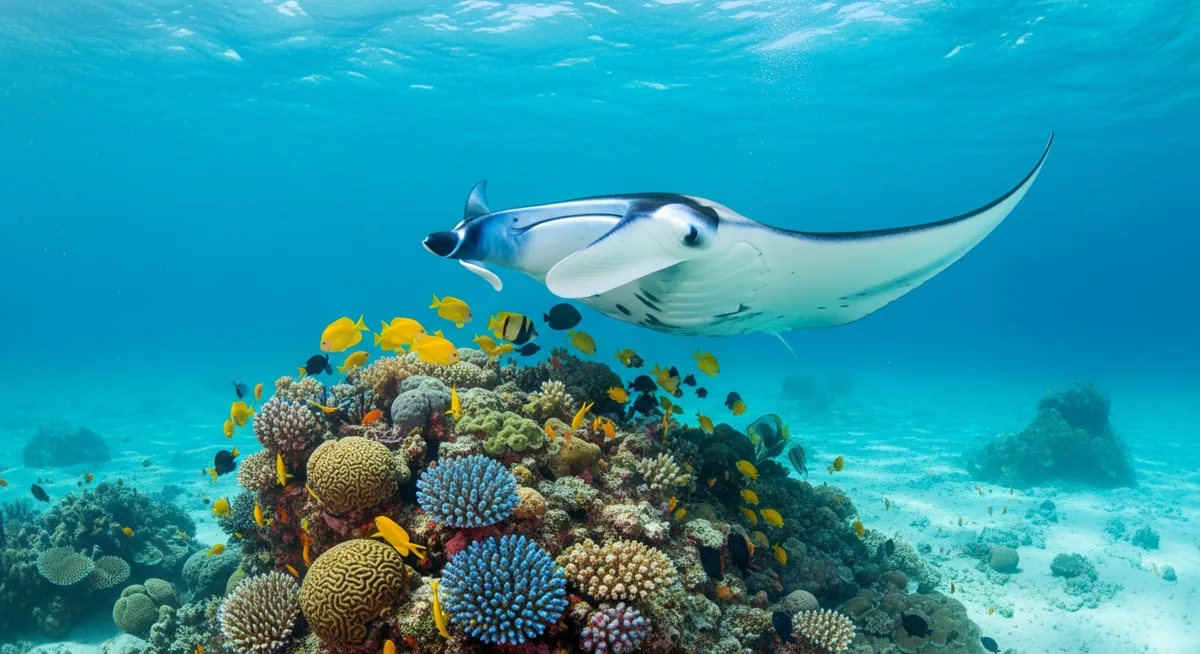
The Derawan Islands, located in East Kalimantan, Indonesia, form a part of the Coral Triangle, a region recognized for its extraordinary marine biodiversity. Covering an area of approximately 1,200 hectares, the islands are home to over 872 species of reef fish and 507 species of coral. Known for its rich marine life, visitors often encounter sea turtles, manta rays, and the occasional dolphin. According to the World Wildlife Fund, the Coral Triangle is home to 76% of the world’s coral species, making Derawan a prime snorkeling destination for nature enthusiasts and scientists alike.
Best Times for Snorkeling Adventures
While the Derawan Islands offer snorkeling opportunities throughout the year, the best time to visit is during the dry season, from March to October. During these months, rainfall is minimal, and underwater visibility can reach up to 30 meters. Water temperatures remain inviting, averaging around 28°C (82°F), perfect for extended snorkeling sessions. The peak tourist season falls between June and August, so if you prefer a quieter experience, consider visiting in March or September. The Indonesian Agency for Meteorological, Climatological, and Geophysics provides reliable updates on weather conditions, ensuring your trip is well-timed.
Choosing the Right Snorkeling Trip
DerawanSnorkeling.com offers a range of snorkeling packages tailored to different preferences and budgets. If you’re a solo traveler or part of a group, options include half-day trips starting at $50, full-day excursions for $100, and luxury liveaboard experiences priced around $300 per night. Each trip is guided by certified instructors, ensuring both safety and an educational experience. For those seeking an immersive adventure, liveaboards offer the chance to explore remote snorkeling sites and enjoy onboard amenities, such as dining and sun decks. It’s essential to book your trip in advance, especially during peak seasons, to secure your spot.
Comparing Snorkeling with Diving in Derawan
While both snorkeling and diving offer unique ways to explore the underwater world, they cater to different levels of adventure. Snorkeling is accessible to all ages and requires minimal equipment: just a mask, snorkel, and fins. In contrast, diving demands more gear, such as tanks and regulators, and often requires certification. The Derawan Islands’ shallow reefs make it an ideal snorkeling destination, with plenty to see within the first few meters of water. For those interested in diving, the islands also feature deeper sites like the Blue Trigger Wall, where divers can descend up to 30 meters to observe pelagic species and intricate coral formations. PADI certification is recommended for divers wishing to explore these depths.
Understanding Pricing and What to Expect
Transparency in pricing is a priority at DerawanSnorkeling.com, with no hidden fees or unexpected costs. Snorkeling packages typically include equipment rental, guide services, and refreshments. Additional costs may arise from optional extras, such as underwater photography or private transport to and from the islands. Payment can be made in advance via secure online platforms, and cancellations are allowed up to 48 hours before the scheduled trip without penalty. It’s advisable to carry some cash for small purchases on the islands, as card facilities may be limited. For more details, refer to our comprehensive FAQ section on the homepage.
Preserving the Beauty of the Derawan Islands
As visitors to this fragile ecosystem, it’s our responsibility to ensure its preservation for future generations. The Coral Triangle Initiative, a regional effort involving six countries, including Indonesia, focuses on conserving marine and coastal resources. Snorkelers are encouraged to follow guidelines such as avoiding contact with coral, refraining from feeding marine life, and using reef-safe sunscreen. These small actions collectively contribute to the health of the coral reefs and the survival of the species that inhabit them. The importance of sustainable tourism in regions like the Derawan Islands cannot be overstated, and every visitor plays a part in this global effort.
Planning Your Derawan Snorkeling Experience
setting out on a Derawan snorkeling adventure promises encounters with some of the ocean’s most fascinating creatures. To begin your journey, explore the diverse options available on our homepage. If you’re seeking a tranquil escape or an action-packed exploration, the Derawan Islands offer an experience like no other. Remember to book early, travel responsibly, and savor every moment beneath the waves. Your adventure awaits. Book your snorkeling trip today and discover the colourful life that calls the Derawan Islands home.
Key Snorkeling Sites in the Derawan Islands
The Derawan Islands are home to several renowned snorkeling sites that promise rich marine encounters. Cape Kri, one of the most famous sites, offers encounters with large schools of fish, colourful coral gardens, and even reef sharks. Blue Magic is another must-visit, known for its strong currents that attract manta rays. For those looking to swim alongside gentle giants, Manta Sandy is the place to be, where manta rays are a common sight. Each site offers unique underwater landscapes, making every snorkeling experience distinct.
Liveaboard Experiences: A Deeper Dive
For those looking to enhance their snorkeling adventure, liveaboard trips provide an unrivaled opportunity to explore the Derawan Islands’ more remote snorkeling spots. These trips typically last between three to seven days, with vessels offering comfortable cabins, dining areas, and sun decks. With a limited number of guests, usually around 16 to 20, liveaboards provide a more personalized experience. Trips often include stops at less-visited sites, offering the chance to snorkel in pristine conditions. Onboard marine biologists often accompany these trips, providing insights into the local marine ecosystem.
Planning a Sustainable Visit
Responsible tourism is essential in preserving the Derawan Islands’ natural beauty. Visitors can contribute by choosing eco-friendly accommodations and operators committed to sustainable practices. Look for certifications or partnerships with organizations focused on environmental conservation. The use of biodegradable products, proper waste disposal, and support for local communities are also encouraged. By making conscious choices, travelers can help ensure that the Derawan Islands remain a thriving habitat for marine life.
Travel Logistics: Getting to the Derawan Islands
Reaching the Derawan Islands involves a combination of flights and boat transfers. The nearest airport is Kalimarau Airport in Berau, which is accessible via a short domestic flight from major cities like Jakarta or Balikpapan. From Berau, a 2-3 hour drive to Tanjung Batu is required, followed by a speedboat transfer of approximately 30 minutes to the islands. Travelers should plan for potential delays and ensure they have reliable transport arrangements. For more detailed travel tips, visit indonesia.travel.
For those considering a visit, the Derawan Islands offer not just exceptional snorkeling but a chance to engage with an environment of remarkable biodiversity. As you plan your derawansnorkeling adventure, remember that each choice you make contributes to the ongoing conservation of this precious marine ecosystem. For further reading on the geographical significance and conservation efforts in the region, visit the Wikipedia page on the Coral Triangle.