- Best snorkeling months: March to October.
- Average trip cost: $50 to $150.
- Popular species: turtles, manta rays, and various tropical fish.
The Derawan Islands, located in East Kalimantan, Indonesia, are a prime destination for snorkeling enthusiasts. This archipelago is known for its rich marine biodiversity and clear waters, making it an ideal spot for both novice and experienced snorkelers. This ultimate guide will help you navigate your snorkeling experience in Derawan, covering everything from trip types to the best times to visit and what you can expect underwater.
Overview of Derawan Islands
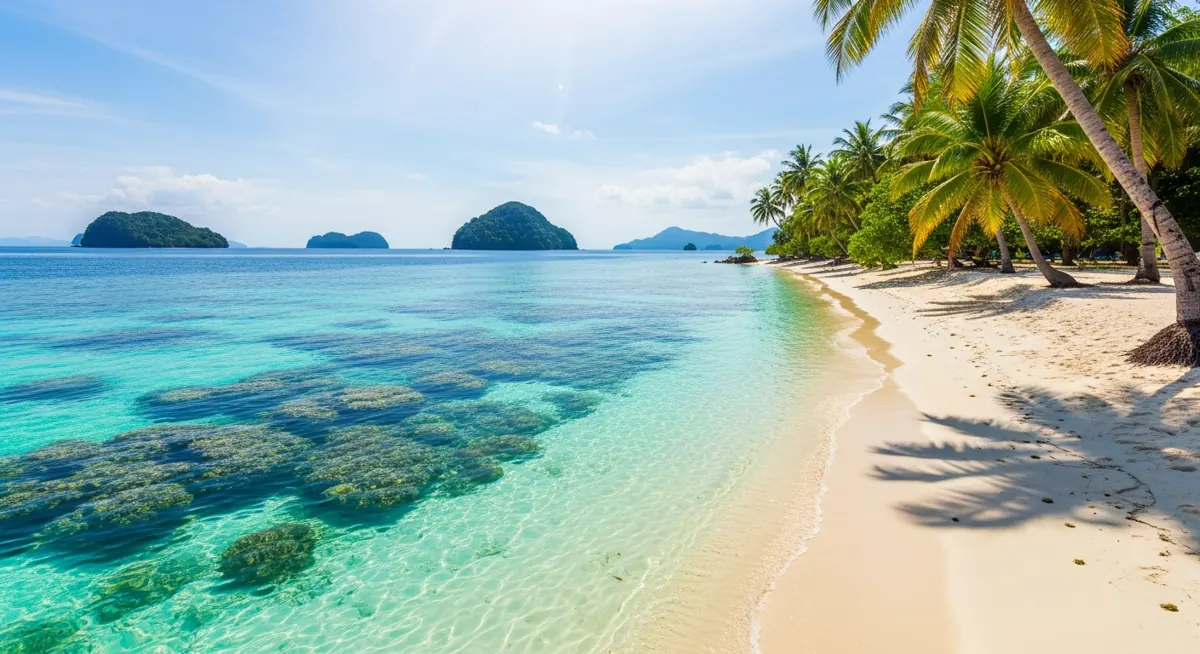
The Derawan Islands consist of several islands, including Derawan, Maratua, Sangalaki, and Kakaban. Each island offers a unique snorkeling experience characterized by dense coral reefs, diverse fish species, and the chance to see marine turtles and manta rays. The islands are part of the Coral Triangle, which is known for having the highest marine biodiversity on the planet.
Best Time to Go Snorkeling in Derawan
The prime snorkeling season in Derawan runs from March to October. During these months, the weather is generally dry, and the visibility underwater can reach up to 30 meters. Here’s a breakdown of the seasons:
- March to May: Excellent visibility, warm water temperatures, and fewer crowds.
- June to August: Peak tourist season, but still good visibility and warm weather.
- September to October: Transition to the rainy season, but still good for snorkeling with occasional showers.
Types of Snorkeling Trips
Various snorkeling trips are available to suit different preferences and budgets. Here are the main types:
- Day Trips: These are popular for those looking to explore a specific area or island. Prices typically range from $50 to $100, depending on the destination and inclusions such as gear rental and refreshments.
- Multi-Day Tours: These tours allow you to experience multiple islands and often include accommodation, meals, and guided snorkeling. Prices can range from $150 to $500 based on the duration and amenities.
- Private Charters: For a personalized experience, private charters can be arranged. Costs vary widely depending on the vessel and services provided.
Marine Biodiversity
The underwater ecosystem in Derawan is diverse, offering encounters with various marine species. Some of the highlights include:
- Green and Hawksbill Turtles: Commonly spotted in the waters around Derawan.
- Manta Rays: Frequently seen around Sangalaki Island, especially during the right season.
- Coral Reefs: Home to over 600 species of fish and numerous coral varieties, providing a colourful underwater landscape.
Snorkeling Gear and Safety
While many tour operators provide snorkeling gear, it’s advisable to bring your own for comfort and hygiene. Essential gear includes:
- Mask and Snorkel: A well-fitting mask is crucial for visibility.
- Fins: Help with mobility in the water.
- Wetsuit: Depending on the season, a wetsuit may be necessary for warmth and protection.
Safety is paramount while snorkeling. Always follow these guidelines:
- Never snorkel alone; always go with a buddy.
- Stay within designated snorkeling areas to avoid strong currents.
- Be aware of local marine life and avoid touching or stepping on coral.
Legal Status and Conservation Efforts
Derawan Islands are part of a designated conservation area, aimed at protecting marine biodiversity. Laws are in place to safeguard the environment, and visitors are encouraged to practice responsible snorkeling. This includes:
- Avoiding the use of harmful sunscreens that can damage coral reefs.
- Following guidelines provided by local tour operators regarding safe interactions with marine life.
- Participating in local conservation efforts where possible.
Booking Your Trip
Many tour operators offer packages that include snorkeling trips, accommodation, and meals. It’s important to book in advance, especially during peak seasons. For current rates and package options, see current rates. This ensures that you can secure a spot on popular tours and enjoy the best experiences Derawan has to offer.
Maximize Your Snorkeling Experience in Derawan
When snorkeling in Derawan, consider booking a local guide who knows the best spots for seeing the rich marine life, such as the famous manta rays. Guides can also provide insights into the conservation efforts that help maintain this striking ecosystem. Be sure to pack eco-friendly sunscreen to protect both your skin and the delicate coral reefs.
Planning specifics? See see current rates or see current rates.