– Ideal snorkeling months: April to October
– Average trip cost: $50 to $150
– Marine species diversity: Over 1,000 species
Understanding the Derawan Archipelago
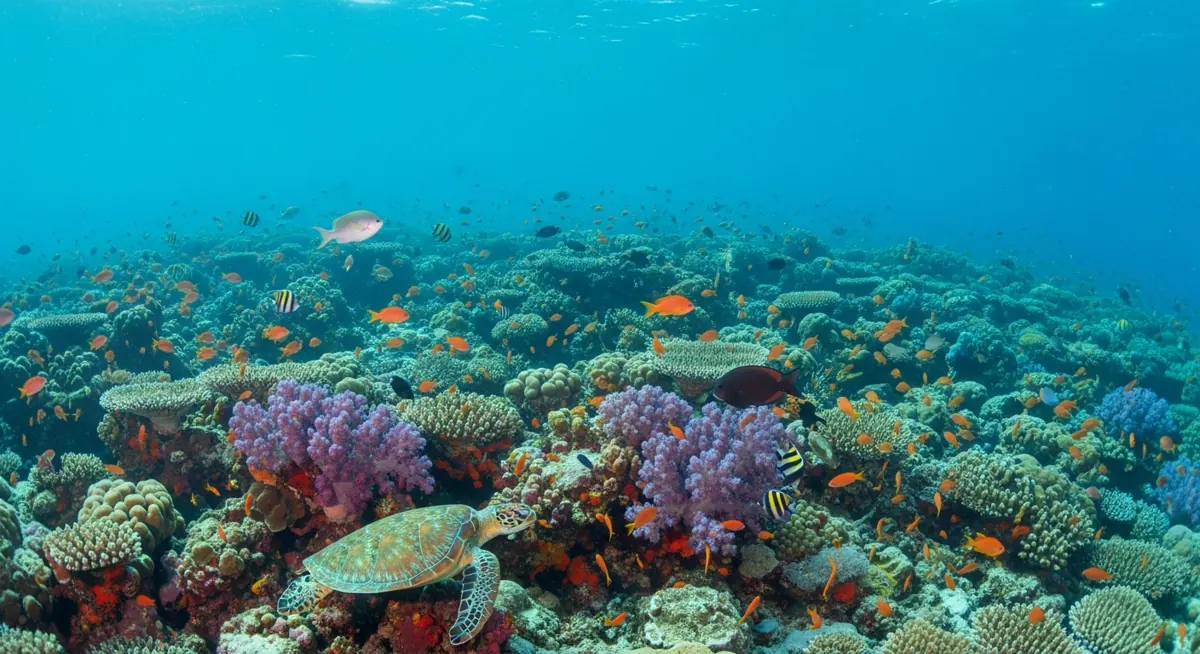
The Derawan Islands, located in East Kalimantan, Indonesia, are an archipelago comprising several islands, including Derawan, Maratua, Sangalaki, and Kakaban. Known for their rich marine biodiversity, these islands attract snorkelers and divers from around the world. The clear waters and abundant coral reefs create an ideal environment for snorkeling excursions.
How Snorkeling Works in the Derawan Islands
Snorkeling in the Derawan Islands typically involves guided tours that cater to various skill levels. Here’s how it works:
Equipment and Safety
Before setting out on a snorkeling adventure, participants are provided with essential snorkeling gear, including:
- Mask: Allows clear underwater vision.
- Snorkel: Enables breathing while keeping the face submerged.
- Fins: Enhance mobility in the water.
- Wetsuit: Optional but recommended for warmth and protection.
Safety briefings are standard practice, ensuring that all participants are aware of the dos and don’ts while snorkeling. Guides are trained in first aid and CPR, and each tour typically includes safety equipment such as life jackets.
Guided Snorkeling Tours
Most snorkeling activities in the Derawan Islands are conducted through organized tours. These tours vary in structure and duration:
- Half-Day Tours: Usually last around 4-5 hours, covering popular spots like the coral gardens near Derawan and the colourful reefs around Sangalaki.
- Full-Day Tours: These tours may last up to 8 hours, often including multiple snorkeling locations, a picnic lunch, and opportunities to relax on the beach.
- Private Tours: For a more personalized experience, private boat charters can be arranged, allowing guests to choose their preferred snorkeling sites.
Tour operators often provide insights into the marine species encountered, making the experience educational as well as recreational.
Best Snorkeling Seasons
The ideal time for snorkeling in the Derawan Islands is between April and October when the weather is typically dry and the water is calm. During these months, visibility can reach up to 30 meters, allowing snorkelers to fully appreciate the underwater landscapes. The rainy season, from November to March, can result in rough seas and reduced visibility.
Marine Biodiversity
One of the standout features of snorkeling in the Derawan Islands is the variety of marine life. The region is home to:
- Coral Species: Over 400 types of coral, including hard and soft corals.
- Fish Species: More than 1,000 species of fish, including clownfish, parrotfish, and butterflyfish.
- Special Species: Visitors may encounter turtles, manta rays, and the rare dugong.
This rich biodiversity is a significant attraction for marine enthusiasts and conservationists alike.
Choosing the Right Tour Operator
When selecting a snorkeling tour, consider the following factors:
- Reputation: Look for operators with positive reviews and a strong safety record.
- Equipment Quality: Ensure that the gear provided is well-maintained and suitable for various skill levels.
- Environmental Responsibility: Choose operators that adhere to sustainable practices to protect the marine ecosystem.
Many tour operators also emphasize eco-friendly practices, such as minimizing plastic usage and educating participants about marine conservation.
Costs and Packages
The average cost for snorkeling trips in the Derawan Islands ranges between $50 to $150 per person, depending on the type of tour and inclusions. Factors that influence pricing include:
- Duration: Longer tours typically cost more.
- Group Size: Private tours are generally more expensive than group tours.
- Inclusions: Meals, transportation, and additional activities may affect the overall price.
It’s advisable to book in advance during peak seasons to secure spots on popular tours.
Accessibility and Transportation
Accessing the Derawan Islands generally involves travel to Berau, the nearest mainland town. From Berau, visitors can take a speedboat or traditional wooden boat to reach the islands. The journey typically takes about 30 minutes to 1 hour, depending on the destination.
Boat charters are available for those seeking direct transfers to specific islands or snorkeling sites. Many accommodations on the islands also offer transportation services, making it convenient for guests to plan their snorkeling trips.
Best Practices for Snorkeling in the Derawan Islands
Snorkeling in the Derawan Islands allows visitors to immerse themselves in Indonesia’s diverse marine life. With numerous tours and safety protocols, all levels of snorkelers can enjoy the colourful underwater scenery. For more information on snorkeling packages and tips, visit our detailed guide at derawan Snorkeling Pricing & Cost Guide.
When planning your snorkeling trip, make sure to choose the right season, select a reliable tour operator, and get ready to explore the remarkable marine world of the Derawan Islands. Planning specifics? See full pricing guide or Derawan Snorkeling.