– Over 300 species of corals.
– More than 1,000 species of fish.
– Seasonal visits from whale sharks.
Snorkeling in the Derawan Islands, located in East Kalimantan, Indonesia, provides an unparalleled opportunity to explore colourful marine ecosystems. This region is celebrated for its rich biodiversity, making it a prime destination for both novice and experienced snorkelers. In this post, we will explore the incredible marine life you can encounter while snorkeling in the Derawan Islands, the best times to visit, and practical tips for your underwater adventure.
Marine Life in the Derawan Islands
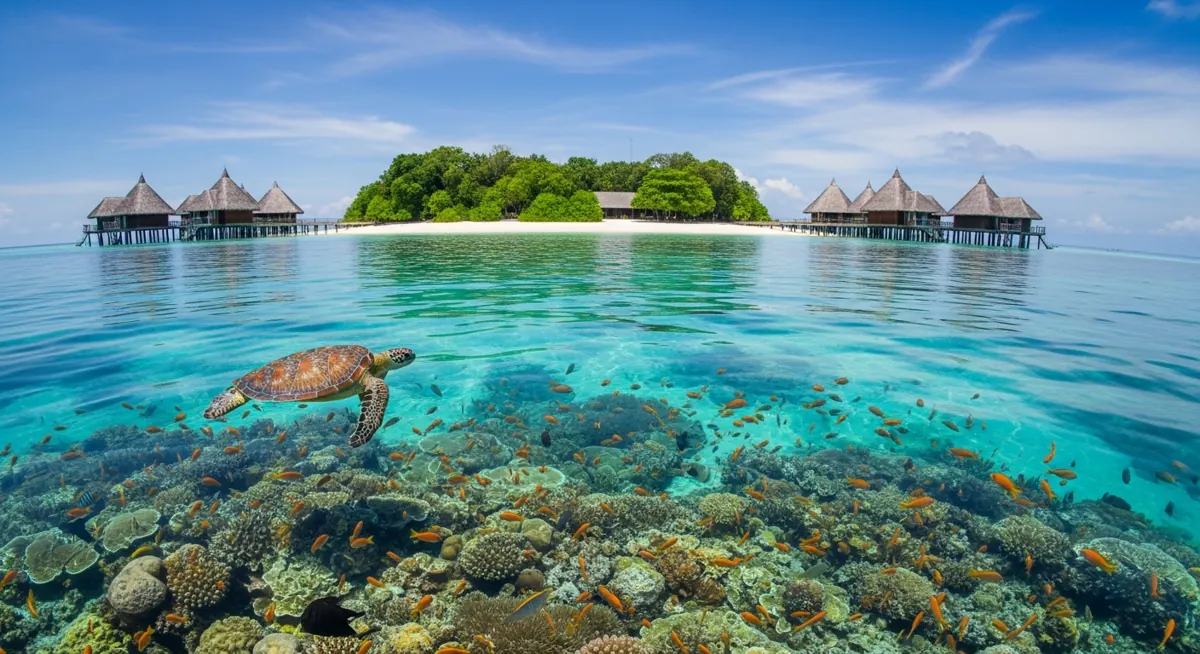
The Derawan Islands are home to an astonishing variety of marine life. The region offers over 300 species of corals and more than 1,000 species of fish. Here are some of the notable inhabitants you might see:
- Coral Species: Soft and hard corals, including brain coral, staghorn coral, and table coral.
- Fish Species: Clownfish, butterflyfish, parrotfish, and grouper are just a few examples of the colourful fish population.
- Mollusks: Sea slugs (nudibranchs), giant clams, and various types of snails.
- Marine Mammals: Occasional sightings of dolphins and dugongs.
- Sea Turtles: Green and hawksbill turtles can often be spotted swimming gracefully through the water.
- Manta Rays: These gentle giants are frequent visitors to the waters surrounding the islands.
- Whale Sharks: Seasonal appearances of these magnificent creatures, typically from October to February.
Best Snorkeling Spots in the Derawan Islands
Several prime snorkeling locations exist within the Derawan Islands, each offering unique underwater experiences:
- Derawan Island: The primary snorkeling hub with easy access to colourful reefs and marine life.
- Sangalaki Island: Known for its clear waters and manta ray sightings, this site is a must-visit for snorkelers.
- Kakaban Island: Features a unique jellyfish lake, where you can snorkel among harmless jellyfish.
- Maratua Island: Offers beautiful coral gardens and a variety of fish species.
- Panimbangan Island: Less crowded, making it ideal for those seeking a tranquil snorkeling experience.
When to Visit
The best time to snorkel in the Derawan Islands is during the dry season, which typically runs from March to December. However, the peak months for marine life sightings, including whale sharks and manta rays, are:
- Whale Shark Season: October to February.
- Manta Ray Season: March to September.
- Best Overall Visibility: April to July, thanks to calm seas and clear waters.
During these months, snorkelers can experience optimal conditions for underwater exploration, including clear visibility and a colourful underwater ecosystem.
Preparing for Your Snorkeling Trip
Before setting out on your snorkeling adventure in the Derawan Islands, consider the following tips to ensure a safe and enjoyable experience:
- Equipment: Invest in quality snorkeling gear, including a mask, snorkel, and fins. Many local operators provide rental equipment, but bringing your own ensures a better fit.
- Sun Protection: Use reef-safe sunscreen and consider wearing a rash guard to protect your skin from sun exposure and stings.
- Safety: Always snorkel with a buddy, stay close to your guide, and be aware of currents and tides.
- Respect Marine Life: Do not touch or disturb marine creatures, and avoid standing on coral reefs.
Snorkeling Tours and Pricing
There are various snorkeling tours available in the Derawan Islands, catering to different budgets and preferences. Most tours include transportation, equipment rental, and guidance from experienced local instructors. Prices typically range from:
- Half-Day Tours: $40 – $60 per person.
- Full-Day Tours: $70 – $120 per person, including meals and multiple snorkeling sites.
- Private Charters: Start at $200, depending on the size of the group and specific itinerary.
It is advisable to book your tours in advance, especially during peak seasons, to secure your spot and ensure the best experience.
When to Visit the Derawan Islands for Snorkeling
The dry season is the ideal time to snorkel in the Derawan Islands, offering calmer seas and optimal visibility. With over 300 species of corals and 1,000 species of fish, this period ensures a colourful underwater experience. For more insights and planning tips, visit our detailed guide.
Each snorkeling adventure here might bring you face-to-face with turtles and manta rays, enhancing the thrill of exploration. To secure your snorkeling trip, check out book Derawan Snorkeling | Derawansnorkeling.