- Optimal visibility from March to November
- Calm seas enhance snorkeling experiences
- Peak tourist season is from June to August
The Derawan Islands, located in East Kalimantan, Indonesia, are renowned for their marine biodiversity and colourful underwater ecosystems. For enthusiasts wishing to explore these underwater realms, understanding the best time for snorkeling in Derawan is crucial. This article outlines the seasons that offer the clearest waters and calmest seas, ensuring a memorable snorkeling adventure.
Understanding the Seasons
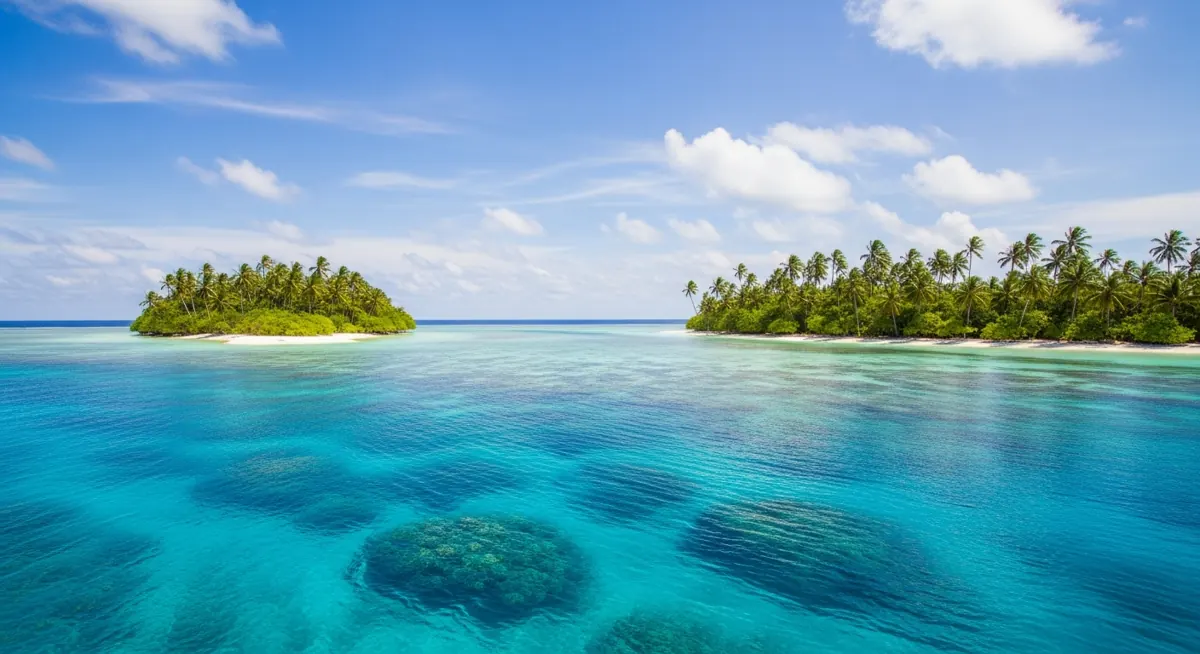
Derawan experiences a tropical climate characterized by two primary seasons: the dry season and the wet season. The dry season, which runs from March to November, is generally regarded as the best time for snorkeling in Derawan. During this period, the weather is stable, and the sea conditions are favorable for marine exploration.
Dry Season: March to November
The dry season in Derawan is marked by lower rainfall and more stable weather patterns. This period is optimal for snorkeling due to the following reasons:
1. Water Clarity
During the dry months, water clarity improves significantly. Visibility can reach up to 30 meters, allowing snorkelers to fully appreciate the colorful coral reefs and diverse marine life. This level of clarity is particularly noticeable from April to June, making it a prime time for underwater photography and exploration.
2. Calm Seas
The seas around Derawan are generally calm during the dry season, which is beneficial for both snorkelers and divers. The lack of strong currents and waves makes it easier to navigate the waters and access various snorkeling sites. This is especially true from May to September, when conditions are at their best.
3. Marine Biodiversity
The dry season coincides with peak marine biodiversity. Snorkelers can expect to encounter a variety of species, including turtles, manta rays, and countless fish species. The rich marine life is most active during these months, providing an enriching experience for those exploring the underwater environment.
Wet Season: December to February
The wet season in Derawan typically runs from December to February. While this period brings increased rainfall, it is important to note that conditions can still be suitable for snorkeling.
1. Rainfall and Visibility
Although rain can occur, it often comes in short bursts and is followed by sunshine. Visibility may decrease during this time, but experienced snorkelers can still find enjoyable conditions. January tends to have the highest rainfall, while February sees a gradual improvement in weather.
2. Fewer Tourists
One advantage of visiting during the wet season is the reduced number of tourists. This means less crowded snorkeling spots and potentially lower prices for accommodations and tours. It can be a great time for those looking to avoid the peak tourist season, which runs from June to August.
Monthly Breakdown of Conditions
To help you plan your trip effectively, here’s a monthly breakdown of the average conditions in Derawan:
- March: Excellent visibility, calm seas, and mild temperatures (average 27°C).
- April: Peak visibility (up to 30m), warm weather (average 28°C), and calm seas.
- May: Great conditions continue, ideal for snorkeling trips.
- June: Start of the peak tourist season, visibility remains high.
- July: Warm temperatures, calm waters, and crowded sites.
- August: Still peak season; book trips in advance for the best experience.
- September: Gradual decrease in tourists, excellent visibility continues.
- October: Good visibility, warm weather, and fewer crowds.
- November: Transition month; conditions remain favorable for snorkeling.
- December: Start of the wet season; some rain but still suitable for snorkeling.
- January: Highest rainfall; visibility may be lower but still manageable.
- February: Rain decreases, visibility improves, and conditions become more favorable.
Planning Your Snorkeling Trip
When planning a snorkeling trip to Derawan, consider the following tips:
1. Choose the Right Time
With the information provided, aim for a visit between March and November for the best snorkeling experience. If you prefer fewer crowds but still want decent visibility, consider visiting in September or October.
2. Book in Advance
During peak months, accommodations and boat trips can fill up quickly. It is advisable to book your trips and lodging in advance to secure the best options.
3. Stay Informed
Keep an eye on local weather forecasts as your trip approaches. While the dry season is generally reliable, unexpected weather changes can occur.
Optimal Snorkeling Months in Derawan
The Derawan Islands are renowned for their exceptional snorkeling opportunities, particularly from March to November when both water clarity and sea conditions are at their best. By taking the local climate into account, you can maximize your enjoyment and ensure a smooth underwater adventure. For more detailed insights on snorkeling trips, gear, and the diverse marine life, explore our in-depth guides to enhance your experience.
If you’re just starting out or have years of snorkeling experience, the colourful marine biodiversity and striking underwater vistas of Derawan are ready to be discovered. Looking for planning specifics? Check out see current rates or view the breakdown for more information.