- Average sea temperature: 28-30°C (82-86°F)
- Visibility: 20-30 meters (65-98 feet)
- Less rainfall and calm seas
The Derawan Islands, located in East Kalimantan, Indonesia, are a sanctuary for snorkeling and diving enthusiasts. With their rich marine biodiversity, pristine coral reefs, and colourful underwater life, the islands attract visitors all year round. However, understanding the best seasons to visit can significantly enhance your experience. This article explores the climate, marine conditions, and specific months that are ideal for your Derawan Islands adventure.
Climate Overview of the Derawan Islands
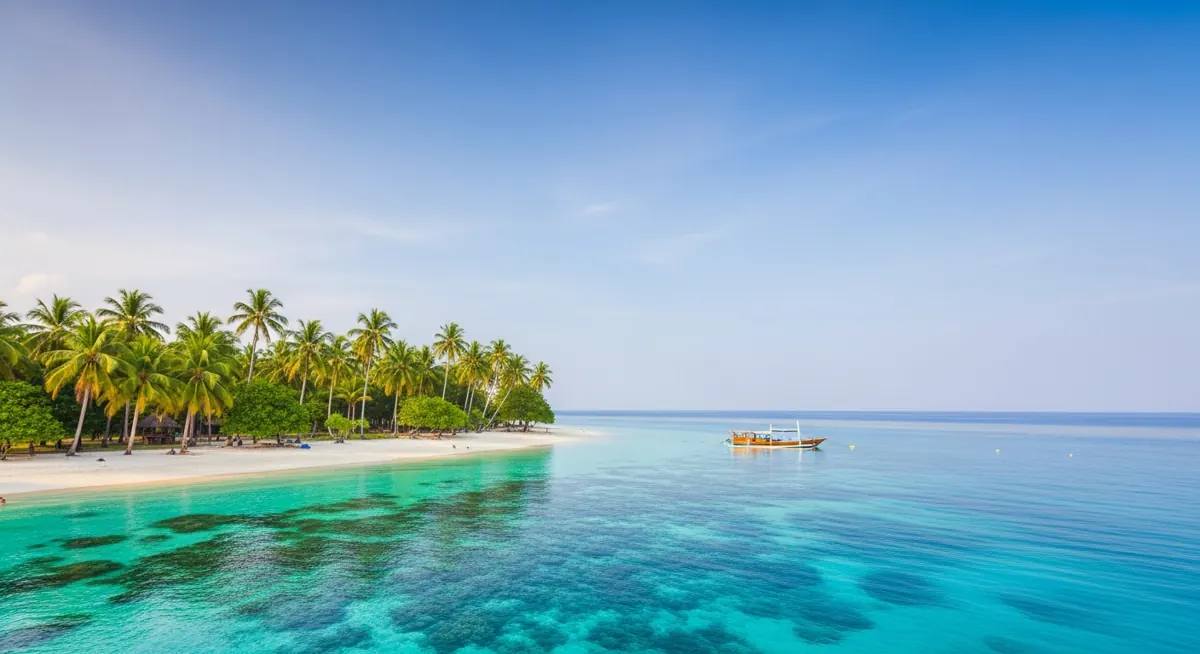
The Derawan Islands experience a tropical climate characterized by two main seasons: the dry season and the wet season. The dry season typically spans from March to October, while the wet season runs from November to February. The climate plays a crucial role in determining the best time to visit, especially for water sports like snorkeling and diving.
Dry Season: March to October
The dry season is arguably the best time to visit the Derawan Islands. During these months, you can expect:
- Warm Temperatures: Average temperatures range between 28°C to 32°C (82°F to 90°F).
- Low Rainfall: Rainfall is minimal, which means fewer disruptions to your activities.
- Calm Seas: The ocean conditions are generally calm, allowing for safe and enjoyable snorkeling and diving.
Both visibility and water temperature during this season are optimal. The water temperature usually hovers around 28-30°C (82-86°F), making it comfortable for extended snorkeling sessions. Visibility can reach up to 20-30 meters (65-98 feet), providing clear views of the rich marine life.
Wet Season: November to February
While the wet season may not be ideal for all visitors, it has its own unique offerings:
- Fewer Tourists: There are fewer visitors during this time, leading to a more tranquil experience.
- Lower Prices: Accommodation and activity prices may drop, making it a budget-friendly option.
- Unique Marine Life: Certain species, such as jellyfish, may be more abundant, providing different snorkeling experiences.
However, the wet season also brings increased rainfall and rougher sea conditions, which can affect visibility and safety. Visibility may drop to around 10-15 meters (33-49 feet), and occasional storms can disrupt planned water activities.
Key Months for Snorkeling and Diving
When planning your trip to the Derawan Islands, specific months within the dry season stand out:
- March: The transition into the dry season offers warm temperatures and decent visibility. Ideal for early birds looking to avoid peak tourist times.
- April to June: These months generally provide the best conditions for snorkeling and diving, with optimal visibility and calm seas.
- July to August: Peak tourist season occurs during these months, coinciding with school holidays. While it may be busier, the water conditions remain excellent, and you can enjoy a colourful atmosphere.
- September to October: The tail end of the dry season offers fewer tourists and continued good visibility. It’s a great time for those seeking a quieter experience.
Travel Tips for Visiting the Derawan Islands
To maximize your experience in the Derawan Islands, consider these travel tips:
- Book in Advance: Especially during peak season, securing your accommodation and snorkeling trips ahead of time can save you both time and money.
- Check Weather Updates: Always check local weather forecasts before your trip to stay informed about any potential changes in conditions.
- Pack Accordingly: Bring appropriate snorkeling gear, sunscreen, and a rash guard to protect against sunburn and jellyfish stings.
- Respect Marine Life: Follow guidelines for responsible snorkeling and diving to protect the fragile ecosystems of the coral reefs.
Ideal Travel Months for Derawan Islands
For those seeking optimal snorkeling and diving experiences in the Derawan Islands, plan your visit between March and October. This dry season offers warm temperatures, calm seas, and excellent visibility, perfect for underwater activities. While the wet season has its own unique charm, these months provide the best conditions for exploring the rich marine life.
When organizing your trip, consider what matters most to you, be it crowd sizes, budget, or specific marine experiences. If you’re a seasoned diver or setting out on your first snorkeling adventure, the Derawan Islands offer unparalleled underwater exploration. For more detailed insights on trip options and marine biodiversity, visit our derawan Snorkeling Pricing & Cost Guide guide. Planning specifics? Check Derawan Snorkeling or view the breakdown.