- Best visibility from April to October.
- Water temperatures range from 26°C to 30°C.
- Check for monsoon season from November to March.
Located in East Kalimantan, Indonesia, the Derawan Islands are a prime destination for snorkeling enthusiasts. With rich marine biodiversity, the region offers unique underwater experiences that attract visitors from around the globe. Understanding the seasonal conditions is crucial for planning a successful trip. This guide provides essential information about the best times to visit, water conditions, and what to expect during your snorkeling adventures.
Overview of Derawan Snorkeling Season
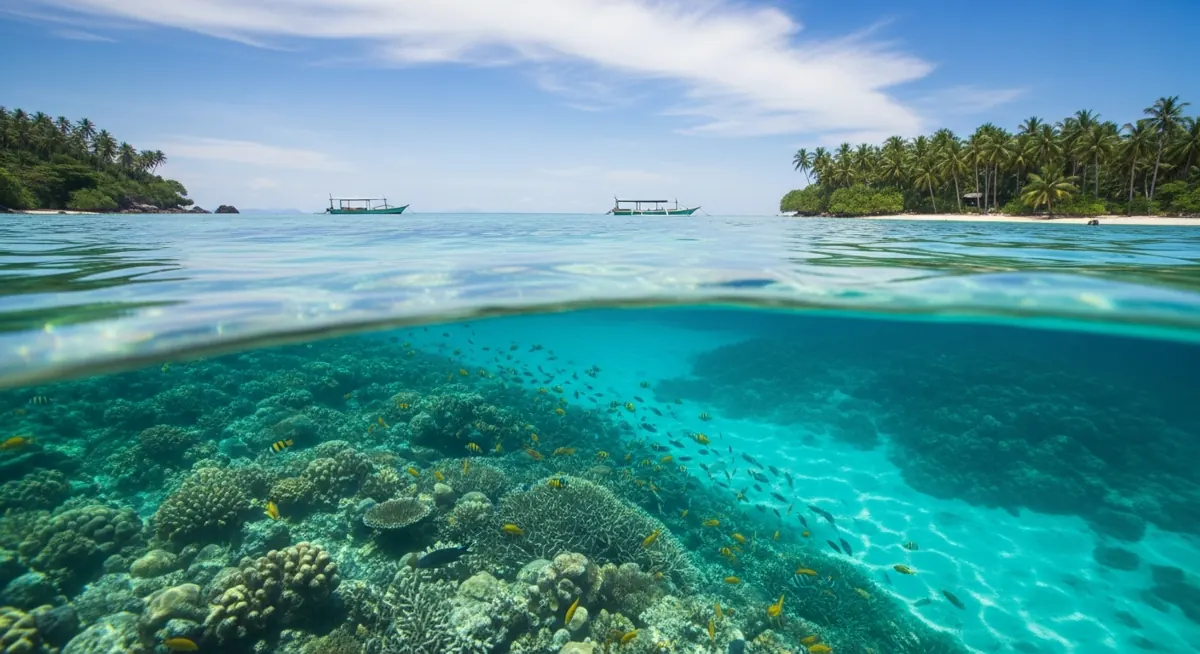
The Derawan snorkeling season can be broadly categorized into two main periods: the dry season and the wet season. The dry season, which runs from April to October, is characterized by calm seas, clear visibility, and warm temperatures. In contrast, the wet season, from November to March, brings heavy rains and rough seas, making snorkeling more challenging.
Dry Season (April to October)
During the dry season, the weather in Derawan is generally favorable for snorkeling. Visitors can expect:
- Water Temperature: Ranges from 26°C to 30°C, providing comfortable conditions for extended snorkeling sessions.
- Visibility: Often exceeds 20 meters, allowing for clear views of the colourful underwater ecosystems.
- Stable Weather: Calm seas with minimal winds, ideal for boat trips to various snorkeling spots.
These months are also when marine life is most active, offering opportunities to encounter turtles, manta rays, and various coral species. April to October is considered the best time for snorkeling in Derawan, as the conditions favor both beginners and experienced snorkelers.
Wet Season (November to March)
The wet season brings challenges for snorkeling enthusiasts. Key aspects of this period include:
- Increased Rainfall: Heavy rains can occur, leading to reduced visibility and altered water conditions.
- Waves and Currents: Rough seas may make some snorkeling spots difficult or unsafe to access.
- Water Temperature: Remains warm but can be accompanied by cooler rains, averaging around 26°C.
While snorkeling during the wet season is possible, it requires careful planning and flexibility. It’s essential to monitor weather forecasts and consult with local guides to ensure safety and optimal conditions.
Key Snorkeling Locations in Derawan
Derawan Islands boast various snorkeling sites, each with unique marine biodiversity. Here are some popular locations to consider during your visit:
- Derawan Island: Known for its dense coral reefs and abundant sea turtles.
- Kakaban Island: Famous for its jellyfish lake, where visitors can snorkel among non-stinging jellyfish.
- Sangalaki Island: A hotspot for manta rays and diverse marine life.
- Maratua Island: Features striking drop-offs and rich underwater ecosystems.
Each location offers unique experiences, so diversifying your snorkeling spots is advisable for a full appreciation of the region’s marine life.
Planning Your Trip: What to Consider
When planning your snorkeling trip to Derawan, consider the following:
- Timing: Aim for visits during the dry season for the best conditions.
- Equipment: Ensure you have quality snorkeling gear, or consider renting from local operators.
- Guided Tours: Opt for organized snorkeling trips for safety and local expertise.
Local operators often provide packages that include equipment rental, guided tours, and transportation to various snorkeling sites. For the latest information on pricing and options, see current rates.
Marine Biodiversity in Derawan
The marine ecosystem surrounding the Derawan Islands is one of the richest in Indonesia. Snorkelers can expect to see:
- Coral Reefs: Diverse coral species providing habitat for countless marine organisms.
- Fish Species: An range of tropical fish, including clownfish, parrotfish, and angel fish.
- Large Marine Fauna: Opportunities to encounter sea turtles, manta rays, and even whale sharks.
Preserving this environment is vital, so it’s essential to practice responsible snorkeling techniques. Avoid touching corals and marine life, and use reef-safe sunscreen to minimize your impact on the ecosystem.
Legal Considerations
Snorkeling in Derawan is generally safe and regulated. However, visitors should be aware of local laws and guidelines designed to protect marine biodiversity. Fishing and hunting of certain species are prohibited, and specific areas may have restrictions in place to safeguard delicate ecosystems. Always adhere to local regulations and respect the environment during your snorkeling excursions.
Optimal Snorkeling Times in Derawan Islands
For those eager to explore the marine life of Derawan, plan your visit between April and October. This period offers excellent visibility and warm water temperatures, perfect for an singular snorkeling adventure. While the wet season has its challenges, careful planning can ensure a worthwhile experience.
To make the most out of your trip, consider booking with local tour operators who are familiar with the best spots. Stay updated on current conditions to enhance your experience. For detailed planning, check out derawan Snorkeling Pricing & Cost Guide or our book Derawan Snorkeling | Derawansnorkeling guide.