– Best time to visit: March to November
– Average temperature: 27°C to 32°C
– Rainfall: Low from May to October
The Derawan Islands, located in East Kalimantan, Indonesia, are renowned for their colourful marine ecosystem and exceptional snorkeling and diving experiences. However, understanding the weather patterns is essential for travel planning to maximize these underwater adventures. This guide will provide crucial insights into the Derawan Islands weather, the best times to visit, and how it affects marine biodiversity.
Understanding the Climate of the Derawan Islands
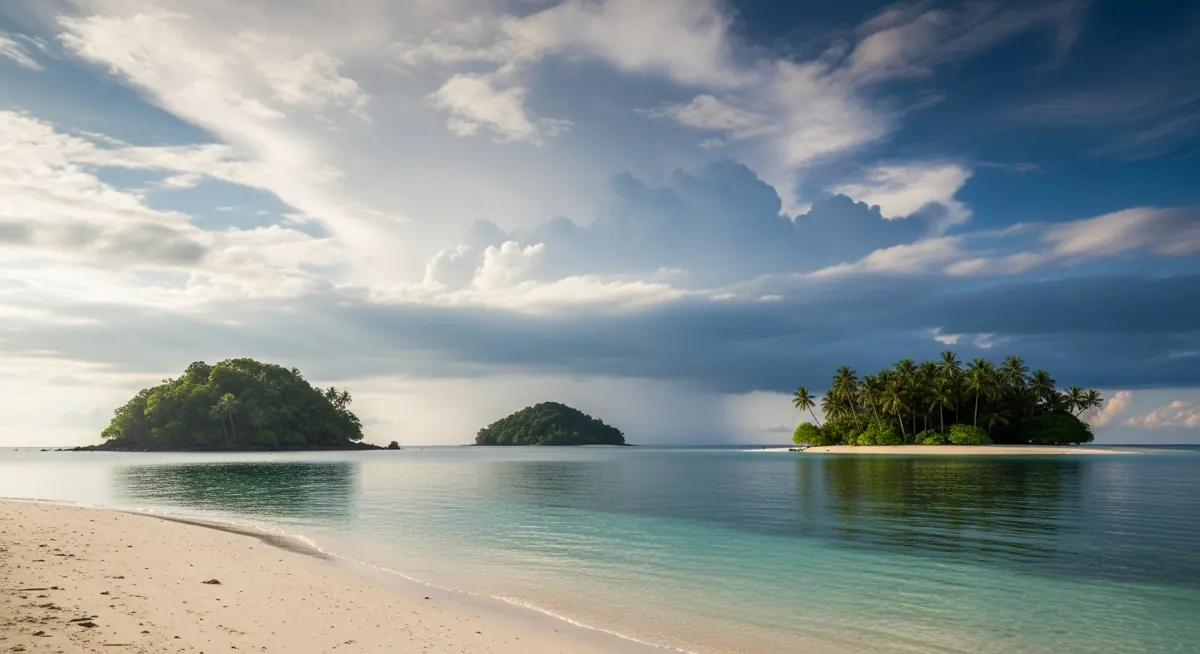
The Derawan Islands have a tropical climate, characterized by two main seasons: the dry season and the wet season. The dry season, which runs from March to November, offers ideal weather conditions for travelers. In contrast, the wet season from December to February sees increased rainfall and potential rough seas, impacting not only travel plans but also underwater visibility.
Average Temperatures
- January: 27°C – 31°C
- February: 26°C – 31°C
- March: 27°C – 32°C
- April: 27°C – 32°C
- May: 27°C – 32°C
- June: 27°C – 31°C
- July: 26°C – 31°C
- August: 26°C – 31°C
- September: 26°C – 31°C
- October: 26°C – 31°C
- November: 26°C – 31°C
- December: 26°C – 30°C
The temperatures in the Derawan Islands generally range between 26°C and 32°C throughout the year. Most visitors find this climate comfortable for both water activities and land-based explorations.
Rainfall Patterns
Rainfall in the Derawan Islands varies throughout the year. The wet season typically witnesses higher precipitation, which can lead to rough seas and limited underwater visibility. Here’s a breakdown of average monthly rainfall:
- January: 300mm
- February: 250mm
- March: 150mm
- April: 100mm
- May: 50mm
- June: 20mm
- July: 20mm
- August: 20mm
- September: 30mm
- October: 60mm
- November: 150mm
- December: 300mm
From May to October, rainfall is at its lowest, coinciding with the dry season. This period is ideal for snorkeling and diving as the ocean conditions are calmer, and visibility is usually at its best.
Best Seasons for Snorkeling and Diving
The optimal time to visit the Derawan Islands for snorkeling and diving is during the dry season from March to November. The months of June to August are particularly favorable due to the stable weather conditions and minimal rainfall. During this period, marine life is more active, making it a prime time for underwater exploration.
Marine Biodiversity
The Derawan Islands boast an impressive range of marine biodiversity, including dense coral reefs, turtles, and various species of fish. The visibility of the water during the dry season enhances the snorkeling and diving experience, allowing visitors to appreciate the colorful underwater landscape fully.
Travel Considerations
When planning your trip to the Derawan Islands, consider the following factors related to the weather:
- Travel Arrangements: Ensure your travel plans account for weather conditions. During the wet season, flights and boat transfers may be delayed or canceled due to rough seas.
- Accommodation: Book accommodations well in advance during the dry season, as this is the peak travel period.
- Equipment: Ensure you have the appropriate snorkeling gear. While most operators provide equipment, personal gear can enhance comfort.
Weather-Related Safety Tips
While the Derawan Islands offer beautiful weather during the dry season, it is important to be prepared. Here are some tips:
- Check local weather forecasts regularly to stay updated on any sudden changes.
- Be cautious while engaging in water activities during periods of unpredictable weather.
- Consider travel insurance that covers weather-related cancellations or disruptions.
Booking Your Snorkeling Trips
When it comes to booking your snorkeling and diving trips in the Derawan Islands, several options are available, including day trips and multi-day excursions. Prices for these trips can vary depending on the type of vessel and duration:
- Day trips: Starting from $50 to $100 per person
- Multi-day liveaboards: Prices range from $300 to $800, depending on amenities and duration
- Private charters: Typically start at $200 per day
It’s advisable to consider booking your trips during the dry season to ensure the best experience. For more information on different trip types and pricing, check our booking details.
Optimal Travel Seasons for Derawan’s Marine Adventures
For the best snorkeling and diving experiences in the Derawan Islands, aim for the dry season from March to October. During this period, calm seas and clear skies prevail, creating optimal conditions for underwater visibility. The average temperatures range from 28°C to 32°C, perfect for enjoying the dense coral reefs and diverse marine life. To tailor your trip, see current rates or compare packages.