Overview of the Derawan Islands
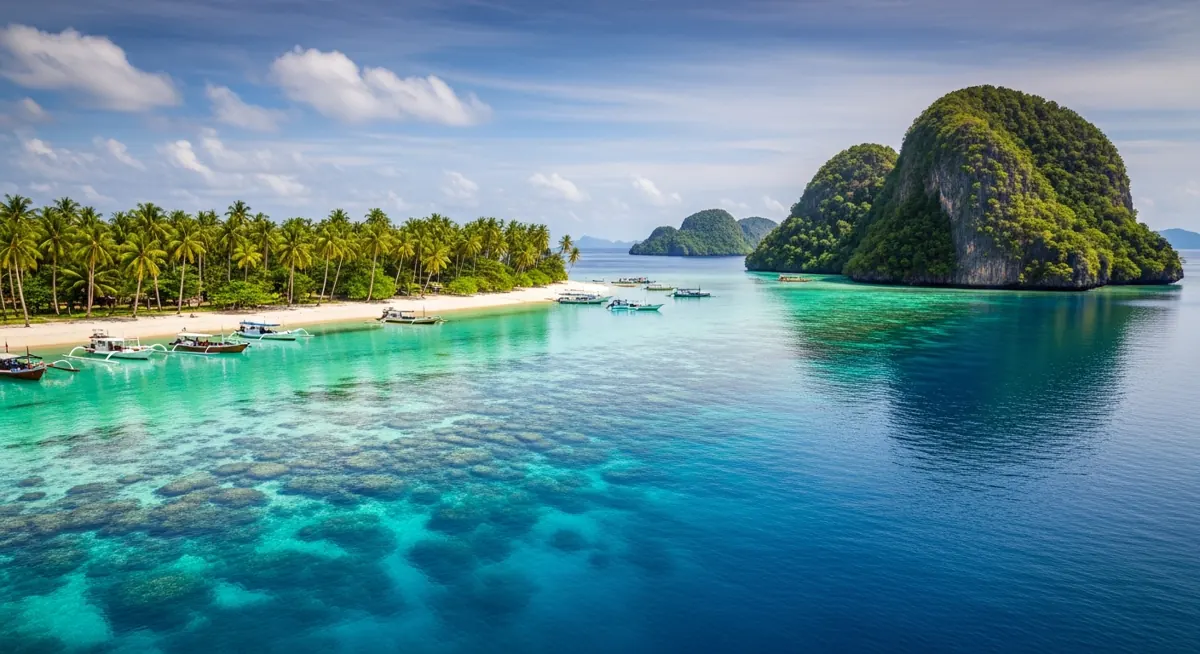
The Derawan Islands are situated in East Kalimantan, Indonesia, and comprise a group of over 30 islands boasting rich marine biodiversity. This area is recognized for its clear waters, making it a prime destination for snorkeling and diving enthusiasts. The islands are part of the Coral Triangle, home to thousands of marine species.
Map of the Derawan Islands
The Derawan Islands consist of several key islands, each offering unique snorkeling opportunities. Below is a simplified map highlighting the main islands:
- Derawan Island: The most developed island with various accommodations and easy access to snorkeling sites.
- Maratua Island: Known for its striking reefs and diverse marine life, including turtles and manta rays.
- Sangalaki Island: Famous for its manta ray encounters and pristine coral gardens.
- Kakaban Island: Renowned for its jellyfish lake and rich coral biodiversity.
Main Snorkeling Areas
Each island in the Derawan Archipelago has its distinct snorkeling spots. Here’s a closer look at the main areas:
Derawan Island
Derawan Island serves as the gateway for many snorkeling adventures. It offers easy access to several nearby spots, including:
- Derawan House Reef: A fantastic location for beginners, featuring shallow waters filled with colourful corals and fish.
- Blue Light: A well-known site for night snorkeling, where bioluminescent organisms create striking visual effects.
Maratua Island
Maratua Island is famous for its underwater landscapes. Key snorkeling sites include:
- Maratua Reef: Home to colorful corals and a variety of fish species, great for both snorkeling and diving.
- Shark Point: A deeper area where snorkelers can sometimes spot blacktip reef sharks.
Sangalaki Island
Sangalaki Island is noted for its marine life encounters. Important snorkeling areas are:
- Manta Point: A prime location for observing manta rays, especially during migration seasons.
- Sangalaki House Reef: Known for its rich coral gardens and diverse fish populations.
Kakaban Island
Kakaban Island is unique due to its jellyfish lake. Key snorkeling spots include:
- Jellyfish Lake: A non-stinging jellyfish habitat, offering a rare snorkeling experience.
- Kakaban Reef: Features colourful coral formations and a variety of marine species.
Marine Biodiversity
The Derawan Islands are home to over 870 species of fish and 400 species of coral. Snorkelers can expect to see:
- Colorful reef fish such as clownfish, parrotfish, and angelfish.
- Large pelagic species including manta rays, turtles, and occasionally whales.
- Unique marine habitats like seagrass beds and mangroves that support diverse ecosystems.
Best Seasons for Snorkeling
The ideal time to visit the Derawan Islands for snorkeling is during the dry season from April to October. During these months, the weather is typically calm, and visibility underwater is at its best. Key points to consider include:
- April to October: Optimal snorkeling conditions with warm temperatures averaging 28-30°C (82-86°F).
- Rainy Season: November to March experiences more rainfall, which can affect visibility and water conditions.
Snorkeling and Diving Trips
Various operators offer snorkeling and diving trips around the Derawan Islands. Here are some options to consider:
- Day Trips: Ideal for those short on time, these trips typically include visits to multiple snorkeling sites.
- Liveaboard Trips: A more immersive experience, allowing for extended exploration of the islands and surrounding waters.
- Private Charters: Customized trips for families or groups looking for a tailored experience.
Vessels and Pricing
The type of vessel used for trips can vary widely, affecting pricing. Here’s a general overview:
- Traditional Boats: Commonly used for day trips, prices start around $50-$100 per person depending on the itinerary.
- Speedboats: Faster travel options that may cost between $100-$150 per person for day trips.
- Liveaboards: Prices range from $250 to over $1,000 per person for multi-day trips, including accommodations and meals.
Maximize Your Snorkeling Experience in the Derawan Islands
The Derawan Islands are a haven for both novice and seasoned snorkelers, offering unparalleled underwater adventures. To optimize your visit, plan your trip during the dry season when visibility is at its best. Selecting the right trip type and vessel can greatly enhance your experience, allowing you to fully immerse in the rich marine life. For more detailed information on planning your adventure, check out our comprehensive guide at derawan Snorkeling Pricing & Cost Guide.
For those looking to fine-tune their travel plans, explore trip comparisons and options with our derawan Snorkeling Pricing & Cost Guide guide or compare your choices to find the best fit for your snorkeling journey.