- March to October: Dry season ensuring clear skies and stable seas.
- Visibility: Water clarity often exceeds 20 meters, ideal for snorkeling.
- Marine Encounters: Peak season for manta rays and green turtles.
Waves lap gently against the pristine shores of the Derawan Islands, offering a crescendo of aquatic symphony. The sun casts a golden glow over the azure waters, inviting adventurous souls to explore the underwater realms.
March to May: Calm Seas and Marine Blooms
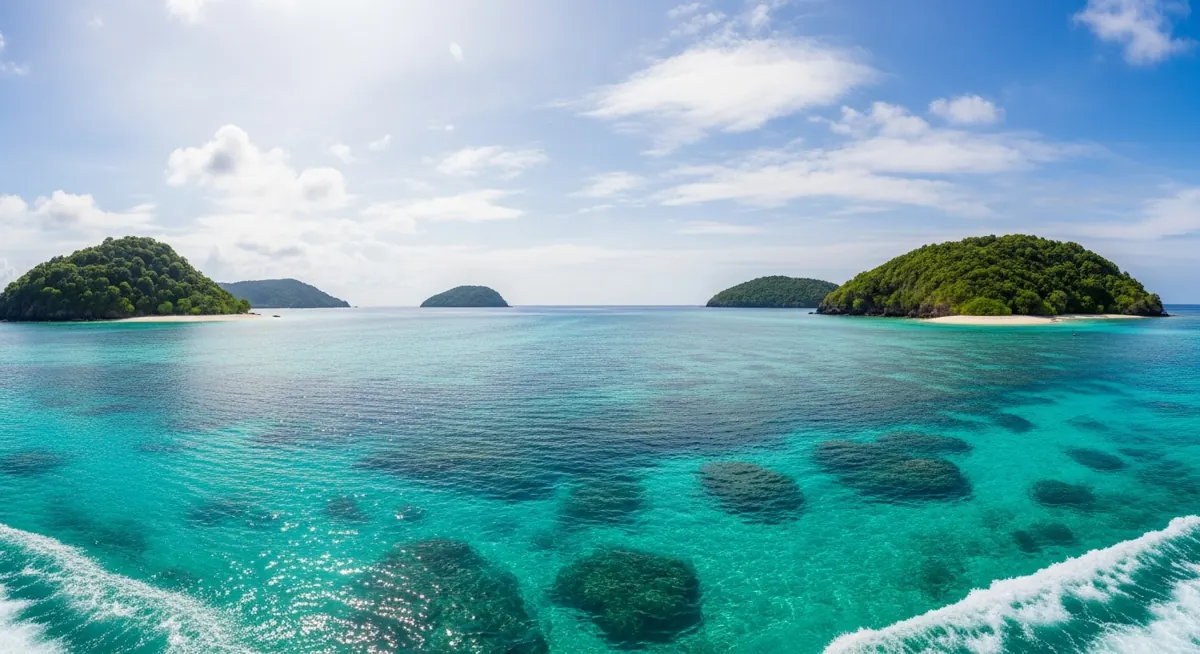
As the dry season takes hold from March to May, the Derawan Islands transform into a snorkeling haven. The weather is predominantly sunny, with temperatures ranging from 28 to 31°C. This period is characterized by calm seas and minimal rainfall, making it ideal for snorkelers and divers. The waters boast exceptional clarity, often with visibility extending beyond 20 meters, allowing for an immersive experience with the rich marine life below.
March also marks the annual spawning season of coral reefs, a spectacle that attracts a wealth of marine species, including the elusive manta rays (Manta birostris). Snorkelers can witness these striking creatures gliding effortlessly through nutrient-rich waters. The islands are also home to over 870 species of reef fish, according to a study conducted by the Indonesian Institute of Sciences in 2015.
During this period, the Komodo Dragons (Varanus komodoensis), though not native to Derawan, can be spotted in nearby regions, enhancing the biodiversity appeal of the area. For those seeking a serene escape into nature, this is the prime time to visit. For more information on Indonesia’s biodiversity, visit Indonesia.travel.
June to August: Peak Season and Turtle Nesting
June through August is arguably the peak season for derawansnorkeling. The islands are busy with activity as adventure seekers from across the globe flock to this marine sanctuary. During these months, the weather remains dry, with sea temperatures averaging 28°C, creating perfect conditions for snorkeling and diving.
One of the highlights of this period is the nesting season of green turtles (Chelonia mydas). The beaches of Sangalaki Island, a part of the Derawan archipelago, become a sanctuary for these ancient mariners. Visitors can witness the nightly ritual of turtles laying eggs, a conservation effort supported by local NGOs and the Indonesian government since 2002.
The colourful coral gardens and diverse marine life, including species such as the Napoleon wrasse (Cheilinus undulatus), make for a singular underwater adventure. The islands’ biodiversity reflects the region’s commitment to marine conservation, recognized by UNESCO as a significant marine biodiversity area in 2004. Visit UNESCO for more on conservation efforts.
September to October: Post-Peak Serenity
As the peak season wanes, September and October offer a more tranquil experience for derawansnorkeling enthusiasts. The weather remains favorable, with occasional showers that do not significantly impact marine visibility. Water temperatures hover around 29°C, ensuring comfortable snorkeling conditions.
This period is ideal for those seeking a more intimate encounter with the marine environment. The reduced tourist presence allows for uncrowded exploration of the islands’ numerous snorkeling spots. Kakaban Island, known for its unique jellyfish lake, provides a surreal experience as snorkelers swim alongside stingless jellyfish (Mastigias papua) in a brackish lake environment.
Marine conservation efforts continue year-round, with local communities actively participating in preserving the islands’ natural beauty. The Derawan Islands’ commitment to sustainable tourism ensures that visitors can enjoy these natural wonders while contributing to their preservation.
November to February: Monsoon Challenges and Opportunities
The monsoon season, from November to February, presents a different side of the Derawan Islands. While this period is marked by increased rainfall and rougher seas, it also offers unique opportunities for those willing to venture into the elements. The islands receive an average rainfall of 250mm per month during this time, with temperatures ranging from 27 to 30°C.
Snorkelers and divers who brave the monsoon months are rewarded with encounters with larger pelagic species, including whale sharks (Rhincodon typus). These gentle giants are often spotted around the islands, drawn by the abundance of plankton blooms. It’s a chance to experience the raw power and beauty of the ocean in its more turbulent state.
For safety, it’s crucial to heed local advice and weather forecasts. Many operators offer flexible scheduling and experienced guides to ensure a safe and enjoyable experience, even during the monsoon. For more on safe snorkeling practices, visit Wikipedia.
Exploring the Underwater Marvels: Popular Dive Sites
The Derawan Islands are renowned for their exceptional dive sites, each offering unique underwater experiences. Cape Kri, for example, is famous for its dense schools of fish and colourful coral gardens. Here, snorkelers and divers can encounter barracudas, jacks, and even reef sharks. Another highlight is Blue Magic, a dive site known for its pelagic sightings, where manta rays and hammerhead sharks make frequent appearances.
Manta Sandy is another site that should not be missed. Known for its manta ray cleaning stations, this site offers the chance to observe these striking creatures up close as cleaner fish tend to their needs. The diversity and abundance of marine life in these waters make every dive a memorable experience.
Understanding the Logistics: Travel and Accommodation
Reaching the Derawan Islands involves a bit of travel planning. Most visitors fly into Balikpapan’s Sultan Aji Muhammad Sulaiman Airport, then take a connecting flight to Berau. From Berau, a two-hour speedboat ride transports travelers to the islands. Several operators offer transfer packages, easing the logistics for international visitors.
Accommodation options range from budget-friendly homestays to upscale resorts. Prices for a night’s stay vary from $30 to $200 USD, depending on the level of comfort and amenities. Many resorts offer packages that include snorkeling tours, meals, and transportation, providing a hassle-free experience for guests.
Sustainable Practices: Supporting Local Conservation
The Derawan Islands are a beacon of sustainable tourism, with efforts in place to protect and preserve the marine environment. Visitors are encouraged to use reef-safe sunscreen to minimize chemical impacts on coral reefs. Additionally, participating in community-led conservation programs, such as beach clean-ups or coral reef restoration projects, can enhance the ecological health of the region.
Local NGOs and the Indonesian government work tirelessly to ensure the islands’ natural resources are protected. By choosing eco-friendly accommodations and operators, tourists contribute to the ongoing conservation efforts and help maintain the delicate balance of these ecosystems.
Planning Your Derawan Adventure: Insider Tips
To make the most of your derawansnorkeling experience, planning is key. Booking accommodations and snorkeling trips in advance, especially during peak season, is advisable. Prices for guided snorkeling tours range from $50 to $150 USD, depending on the duration and inclusivity of the package.
Transport to the Derawan Islands typically involves a flight to Kalimarau Airport in Berau, followed by a two-hour boat ride. For those with flexible schedules, visiting during the shoulder months of March or September can offer a balance of favorable weather and fewer crowds.
Remember to pack reef-safe sunscreen, as protecting the islands’ fragile ecosystems is a priority. Engaging with local guides not only enhances the experience but also supports the community’s conservation efforts, ensuring the Derawan Islands remain a haven for marine life enthusiasts. For more insights, explore our Blog Timing Insider section.
When to Dive In: Your Personal Derawan Calendar
Choosing the right time for your derawansnorkeling adventure depends on your preferences and priorities. Whether it’s witnessing turtle nesting, diving with manta rays, or exploring during the monsoon, each season offers distinct experiences. Embrace the rhythm of the islands and let the ocean guide your journey. For more on planning your visit, return to our homepage for comprehensive guides and resources.
Planning specifics? See full pricing guide or booking details.